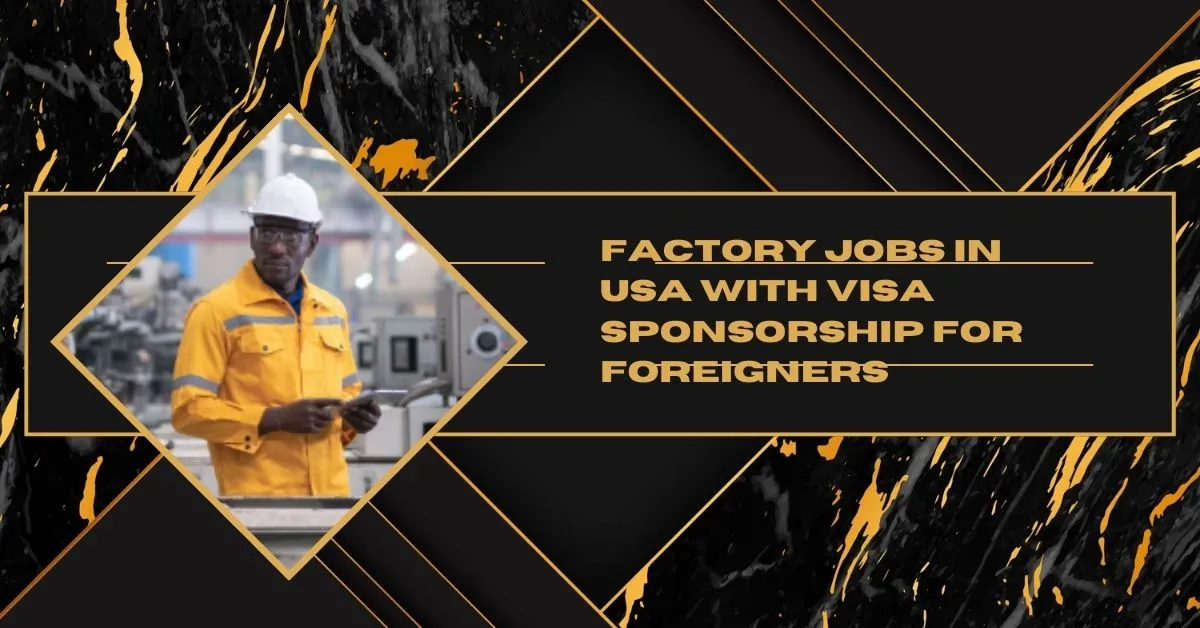
USA Manufacturing Jobs for Immigrants – $85,000 Visa Sponsorship Opportunities with Free Housing
The American manufacturing sector is experiencing unprecedented growth, creating thousands of opportunities for skilled immigrants seeking USA manufacturing jobs for immigrants with visa sponsorship. With competitive salaries ranging from $45,000 to $85,000+ annually and comprehensive benefits packages, the manufacturing industry has become one of the most accessible pathways for international workers to build careers in the United States.
The Current State of Manufacturing Jobs for Immigrants in the USA
The U.S. manufacturing industry faces a critical shortage of over 2.1 million workers through 2030, according to recent workforce studies. This gap has prompted manufacturers across the country to actively recruit international talent, offering visa sponsorship and attractive relocation packages to qualified candidates.
USA manufacturing jobs for immigrants have expanded significantly in sectors including automotive production, electronics assembly, food processing, pharmaceutical manufacturing, and advanced machinery operations. Many employers now provide comprehensive support systems designed specifically for immigrant workers, including language training, cultural integration programs, and long-term career development opportunities.
Salary Ranges and Compensation Packages
Manufacturing positions for immigrant workers offer competitive compensation that varies based on role, location, and experience level:
Entry-Level Positions ($40,000 – $55,000/year)
- Production Associates
- Assembly Line Workers
- Quality Control Inspectors
- Machine Operators
- Warehouse Associates
Skilled Technical Roles ($55,000 – $75,000/year)
- CNC Machine Operators
- Welders and Fabricators
- Maintenance Technicians
- Production Supervisors
- Quality Assurance Technicians
Specialized and Senior Positions ($75,000 – $95,000+/year)
- Industrial Engineers
- Automation Technicians
- Production Managers
- Supply Chain Coordinators
- Process Engineers
Visa Sponsorship Programs Available
Understanding visa options is crucial when pursuing USA manufacturing jobs for immigrants. Several visa categories are commonly used by manufacturing employers:
H-2B Temporary Non-Agricultural Workers Visa
This visa allows employers to bring foreign workers for temporary non-agricultural positions, including manufacturing roles. Valid for up to one year with possible extensions, the H-2B is popular among food processing plants, textile manufacturers, and seasonal production facilities.
H-1B Specialty Occupation Visa
For technical and engineering positions in manufacturing, the H-1B visa is commonly used. This requires a bachelor’s degree or equivalent experience and is ideal for process engineers, quality engineers, and technical specialists.
EB-3 Employment-Based Immigration
Many manufacturing companies sponsor workers for permanent residency through the EB-3 visa category, which includes both skilled and unskilled workers. This path leads to a green card and eventual citizenship eligibility.
TN Visa (NAFTA Professionals)
Canadian and Mexican citizens may qualify for TN visas in engineering and technical manufacturing roles, offering a streamlined application process.
Companies Actively Sponsoring Manufacturing Workers
Numerous reputable manufacturers across the United States actively sponsor immigrant workers:
Automotive Sector
- Toyota Motor Manufacturing – Multiple U.S. facilities offer visa sponsorship for production and engineering roles
- Honda of America Manufacturing – Known for comprehensive immigrant worker programs
- BMW Manufacturing – South Carolina facility regularly sponsors international talent
- Tesla – Growing workforce with opportunities for skilled immigrants
Food Processing Industry
- Tyson Foods – One of the largest sponsors of H-2B visas for processing plant workers
- Cargill – Offers visa sponsorship across multiple facilities nationwide
- JBS USA – Active immigrant recruitment programs
- Smithfield Foods – Regular sponsorship for production roles
Electronics and Technology Manufacturing
- Intel Corporation – Sponsors both skilled and engineering roles
- Texas Instruments – Manufacturing facilities with immigrant programs
- Applied Materials – Technical manufacturing positions
- Flex Ltd – Electronics assembly with international recruitment
General Manufacturing
- Caterpillar Inc. – Heavy equipment manufacturing with visa sponsorship
- General Electric – Various manufacturing divisions
- 3M Company – Multiple facility locations
- Procter & Gamble – Consumer goods manufacturing
Comprehensive Benefits Packages
Beyond competitive salaries, USA manufacturing jobs for immigrants often include extensive benefits that significantly increase total compensation value:
Health Insurance
Most manufacturing employers provide comprehensive health insurance coverage including medical, dental, and vision plans. Premium packages may cost employees between $50-$200 monthly for family coverage, with employers covering 60-80% of costs. Understanding your insurance options is crucial, as quality health coverage can be valued at $10,000-$15,000 annually.
Housing Assistance
Many manufacturers offer housing support in various forms:
- Subsidized housing – Reduced-rent company housing or housing allowances ($300-$800/month)
- Relocation assistance – One-time payments ($2,000-$10,000) to cover moving expenses
- Temporary housing – Company-provided accommodation for first 30-90 days
- Housing deposits – Advance assistance with security deposits and first month’s rent
Additional Benefits
- 401(k) retirement plans with employer matching (typically 3-6%)
- Paid time off – 10-20 days annually, plus holidays
- Life insurance and disability coverage
- Tuition reimbursement for continued education ($3,000-$8,000/year)
- Performance bonuses – Quarterly or annual bonuses (5-15% of salary)
- Transportation assistance – Company shuttles or fuel allowances
How to Find and Apply for Sponsored Manufacturing Jobs
Successfully securing USA manufacturing jobs for immigrants requires strategic job searching and proper preparation:
Step 1: Research and Identify Opportunities
Job Boards Specializing in Visa Sponsorship:
- Indeed.com (filter by “visa sponsorship”)
- LinkedIn Jobs (search “manufacturing + visa sponsor”)
- MyVisaJobs.com – Database of H-1B and green card sponsors
- USAJobs.gov – Federal manufacturing positions
- Glassdoor.com – Company reviews and salary insights
Direct Company Websites: Visit career pages of major manufacturers and search for “international candidates” or “visa sponsorship available” in job descriptions.
Step 2: Prepare Your Application Materials
Resume/CV Optimization:
- Highlight technical skills and certifications
- Include measurable achievements (e.g., “Improved production efficiency by 15%”)
- Emphasize safety record and quality metrics
- List any U.S.-recognized credentials or international equivalents
Cover Letter Essentials:
- Clearly state you require visa sponsorship
- Explain your relevant experience
- Demonstrate knowledge of the company
- Express long-term commitment to the role
Step 3: Professional Credential Evaluation
Have foreign degrees and certifications evaluated by approved agencies:
- World Education Services (WES)
- Educational Credential Evaluators (ECE)
- International Education Research Foundation (IERF)
This process typically costs $100-$300 and takes 2-4 weeks.
Step 4: Working with Immigration Lawyers
For complex visa situations, consulting an immigration lawyer can significantly improve your success rate. Immigration attorneys can:
- Evaluate your eligibility for different visa categories
- Review job offers and visa sponsorship agreements
- Prepare and file visa petitions
- Handle USCIS communications and documentation
- Advise on pathways to permanent residency
Cost considerations: Immigration lawyer fees typically range from $1,500-$5,000 for visa application assistance. Some employers cover these costs as part of the sponsorship package.
Step 5: Interview Preparation
Manufacturing employers typically conduct:
- Phone screening – Initial 15-30 minute conversation
- Skills assessment – Technical tests or practical demonstrations
- Panel interview – 1-2 hour meeting with supervisors and HR
- Facility tour – On-site visit to see working conditions
Top States for Manufacturing Jobs with Visa Sponsorship
Geographic location significantly impacts job availability and living costs:
California
- Average manufacturing salary: $62,000
- Major industries: Electronics, aerospace, food processing
- Cost of living: High
- Immigrant communities: Extensive support networks
Texas
- Average manufacturing salary: $58,000
- Major industries: Electronics, petrochemicals, automotive
- Cost of living: Moderate
- Immigrant communities: Large and diverse
Michigan
- Average manufacturing salary: $60,000
- Major industries: Automotive, machinery
- Cost of living: Moderate to low
- Benefits: Strong union presence
Ohio
- Average manufacturing salary: $55,000
- Major industries: Automotive, steel, machinery
- Cost of living: Low to moderate
- Advantages: Affordable housing
North Carolina
- Average manufacturing salary: $56,000
- Major industries: Textiles, pharmaceuticals, furniture
- Cost of living: Moderate
- Quality of life: Excellent
Financial Considerations and Building Your Credit
Establishing financial stability in the U.S. is essential for long-term success:
Opening a Bank Account
Upon arrival, open a checking and savings account. Most banks require:
- Valid passport and visa documentation
- Social Security Number (or application proof)
- Initial deposit ($25-$100)
Recommended banks for immigrants:
- Bank of America – Dedicated immigrant banking programs
- Chase Bank – Nationwide presence
- Credit unions – Often more flexible for newcomers
Building Your Credit Score
Your credit score is crucial for renting apartments, buying cars, and eventually purchasing a home. In the U.S., credit scores range from 300-850, with 670+ considered good.
Steps to build credit:
- Secured credit card – Deposit $200-$500 to open a credit card
- Credit builder loans – Small loans designed to establish credit history
- Become an authorized user – On a trusted friend or family member’s card
- Pay all bills on time – Payment history is 35% of your credit score
- Keep credit utilization low – Use less than 30% of available credit
Timeline: Building good credit typically takes 6-12 months of responsible management.
Managing Living Expenses
Typical monthly budget for a single manufacturing worker:
- Rent (shared apartment): $600-$1,000
- Utilities: $100-$150
- Groceries: $250-$400
- Transportation: $150-$300
- Phone/Internet: $80-$120
- Health insurance (employee portion): $100-$200
- Miscellaneous: $200-$300
Total monthly expenses: $1,480-$2,470
Savings potential (on $55,000 salary): $1,000-$2,000/month
Cultural Integration and Support Resources
Success in USA manufacturing jobs for immigrants extends beyond the workplace:
English Language Programs
Many employers offer:
- ESL classes – On-site or subsidized external programs
- Language learning apps – Company-provided subscriptions
- Conversation partners – Volunteer pairing programs
Community Organizations
- International Rescue Committee – Employment and settlement services
- Catholic Charities – Immigration and integration support
- Local ethnic community centers – Cultural connections and networking
- Manufacturing industry associations – Professional development and networking
Family Considerations
For workers bringing dependents:
- Spouse work authorization – Dependent visa holders may apply for work permits
- Education for children – Public schools are free and open to all residents
- Childcare assistance – Some employers offer childcare subsidies or on-site facilities
Career Advancement Opportunities
The manufacturing sector offers clear pathways for professional growth:
Skill Development Programs
Many companies invest in employee development:
- Apprenticeship programs – Earn while learning advanced skills
- Lean Manufacturing certification – Six Sigma training
- Technical certifications – CNC programming, welding, automation
- Leadership training – Supervisory and management development
Promotion Timeline
Typical career progression:
- Years 1-2: Production Associate → Senior Production Associate
- Years 3-4: Lead Worker or Quality Technician
- Years 5-7: Supervisor or Specialized Technician
- Years 8+: Manager or Engineering roles
Salary growth: 15-40% increase over 5 years through promotions and raises.
Path to Permanent Residency and Citizenship
Many immigrants view manufacturing jobs as a pathway to permanent settlement:
Green Card Process
EB-3 Employment-Based Green Card:
- Employer petition – Company files Form I-140
- Processing time – 2-4 years depending on country of origin
- Requirements – Employer must demonstrate inability to find U.S. workers
- Cost – Typically covered by employer ($5,000-$10,000)
Naturalization
After obtaining a green card:
- Residency requirement – 5 years as permanent resident (3 years if married to U.S. citizen)
- Physical presence – Must be present in U.S. for at least half the time
- Citizenship test – English language and civics examination
- Application fee – $725
Common Challenges and Solutions
Challenge 1: Credential Recognition
Solution: Obtain formal evaluations early, pursue U.S.-based certifications, and emphasize transferable skills.
Challenge 2: Cultural Adjustment
Solution: Join community organizations, participate in company social events, seek mentorship from established immigrant workers.
Challenge 3: Family Separation
Solution: Use video communication regularly, save aggressively to sponsor family members, explore dependent visa options.
Challenge 4: Language Barriers
Solution: Enroll in ESL classes immediately, practice with coworkers, use language learning apps daily.
Challenge 5: Visa Processing Delays
Solution: Apply early, maintain valid status, consider backup employers, work with experienced immigration professionals.
Industry Outlook and Future Opportunities
The future of USA manufacturing jobs for immigrants remains exceptionally bright:
Growth Sectors
Renewable Energy Manufacturing – Solar panels, wind turbines, battery production
- Projected growth: 30% through 2030
- Average salary: $65,000-$85,000
Advanced Manufacturing – 3D printing, robotics, automation
- Projected growth: 25% through 2030
- Average salary: $70,000-$95,000
Pharmaceutical Manufacturing – Drug production, medical devices
- Projected growth: 20% through 2030
- Average salary: $60,000-$80,000
Technology Integration
Manufacturing increasingly requires workers comfortable with:
- Computer numerical control (CNC) systems
- Industrial robotics programming
- Data analysis and quality control software
- IoT (Internet of Things) monitoring systems
Workers who develop these skills command premium wages and enhanced job security.
Legal Protections for Immigrant Workers
Understanding your rights is essential:
Workplace Protections
Regardless of immigration status, all workers in the U.S. are protected by:
- Fair Labor Standards Act – Minimum wage and overtime requirements
- OSHA regulations – Safe working conditions
- Anti-discrimination laws – Protection from discrimination based on national origin
- Workers’ compensation – Coverage for workplace injuries
Reporting Violations
If you experience:
- Unpaid wages
- Unsafe working conditions
- Discrimination or harassment
- Threats related to immigration status
Contact:
- Department of Labor – 1-866-4-USA-DOL
- OSHA hotline – 1-800-321-OSHA
- Equal Employment Opportunity Commission – 1-800-669-4000
Tax Obligations and Benefits
Filing Requirements
All workers must file annual tax returns:
- Federal taxes – File Form 1040
- State taxes – Requirements vary by state
- Social Security/Medicare – Automatically withheld from paychecks
Tax filing assistance: Many community organizations offer free tax preparation services for immigrants.
Tax Benefits
Eligible workers can claim:
- Earned Income Tax Credit – Up to $7,000 for qualified families
- Child Tax Credit – Up to $2,000 per qualifying child
- Education credits – For continuing education expenses
Average tax refund for manufacturing workers: $2,500-$4,500 annually
Taking Action: Your Step-by-Step Timeline
Months 1-2: Preparation
- Research target companies and locations
- Obtain credential evaluations
- Prepare resume and cover letter
- Begin networking on LinkedIn
- Save funds for application fees and relocation
Months 3-4: Application
- Apply to 20-30 positions
- Follow up on applications
- Schedule interviews
- If needed, consult with an immigration lawyer about visa strategy
Months 5-6: Interview and Offer
- Complete interviews
- Negotiate salary and benefits
- Review offer letter carefully
- Understand visa sponsorship terms
Months 7-9: Visa Processing
- Employer files visa petition
- Complete required medical exams
- Attend visa interview at U.S. embassy
- Receive visa approval
Month 10: Arrival and Onboarding
- Arrive in United States
- Complete I-9 employment verification
- Open bank account
- Secure housing
- Obtain Social Security card
- Begin work and orientation
Ongoing: Integration and Growth
- Enroll in ESL classes if needed
- Build credit history
- Connect with community organizations
- Pursue certifications and training
- Plan for permanent residency
Conclusion
USA manufacturing jobs for immigrants represent more than employment opportunities—they’re pathways to building new lives, supporting families, and achieving the American Dream. With competitive salaries often reaching $85,000 for skilled positions, comprehensive benefits including health insurance, potential housing assistance, and clear routes to permanent residency, manufacturing careers offer stability and growth potential.
The current labor shortage means employers are actively seeking international talent, making this an optimal time to pursue these opportunities. By following the strategies outlined in this guide—from credential preparation to working with qualified immigration lawyers when needed, from building your credit score to understanding your benefits package—you can successfully navigate the process.
The manufacturing sector continues to evolve, offering increasingly sophisticated roles that reward skill development and dedication. Whether you’re a recent graduate, experienced technician, or career-changer, opportunities exist across all 50 states in diverse manufacturing sectors.
Start your journey today by researching companies, preparing your application materials, and taking the first steps toward a rewarding manufacturing career in the United States. Your skills are in demand, and American manufacturers are ready to welcome you.