USA Automotive Design & Manufacturing Jobs – $115,000 Visa Sponsorship & Relocation Support
The American automotive industry is experiencing unprecedented growth, creating thousands of high-paying opportunities for international professionals. With competitive salaries averaging $115,000 annually, comprehensive visa sponsorship programs, and generous relocation support packages, the United States has become the premier destination for automotive design and manufacturing specialists seeking career advancement and financial security.
The Booming US Automotive Industry: A Gateway for International Talent
The automotive sector in the United States represents one of the most dynamic and financially rewarding industries for skilled professionals worldwide. Major automotive manufacturers and emerging electric vehicle companies are actively recruiting international talent to fill critical positions in design, engineering, manufacturing, and production management. These companies recognize that global expertise drives innovation, which is why they’re offering substantial visa sponsorship packages and relocation assistance to attract the best minds from around the world.
The demand for qualified automotive professionals has created a highly competitive recruitment landscape where employers are willing to invest significantly in international talent acquisition. Companies are not only offering impressive base salaries but also providing comprehensive immigration support, including legal fees, visa application assistance, and dedicated relocation specialists to ensure a smooth transition to American employment.
Understanding Visa Sponsorship for Automotive Professionals
Visa sponsorship in the automotive industry typically involves H-1B specialty occupation visas, which allow US employers to hire foreign workers in specialized fields. For automotive design and manufacturing professionals, this means employers handle the complex immigration process, including petition filing, legal documentation, and associated costs that often exceed $10,000 per candidate.
The visa sponsorship process for automotive jobs generally follows a structured timeline. Employers first identify qualified international candidates, then file a Labor Condition Application with the Department of Labor, followed by submitting the H-1B petition to US Citizenship and Immigration Services. Throughout this process, reputable automotive companies provide dedicated immigration support teams to guide candidates through every step, ensuring compliance and maximizing approval chances.
Beyond the H-1B visa, many automotive companies also sponsor L-1 intracompany transfer visas for professionals with international experience within their global operations, and O-1 visas for individuals with extraordinary abilities in automotive design and engineering. This multi-pathway approach demonstrates the industry’s commitment to securing international talent regardless of their specific circumstances.
Salary Expectations and Compensation Packages
Automotive design and manufacturing positions in the United States offer exceptional financial rewards that extend far beyond base salary. Entry-level to mid-career professionals with visa sponsorship can expect starting salaries ranging from $85,000 to $115,000 annually, while senior specialists and management positions frequently command $130,000 to $180,000 or more.
Comprehensive Compensation Breakdown:
| Position Level | Base Salary Range | Signing Bonus | Annual Bonus Potential | Stock Options |
|---|---|---|---|---|
| Junior Designer/Engineer | $85,000 – $95,000 | $5,000 – $10,000 | 5% – 10% | Limited |
| Mid-Level Specialist | $95,000 – $115,000 | $10,000 – $20,000 | 10% – 15% | Available |
| Senior Professional | $115,000 – $145,000 | $15,000 – $30,000 | 15% – 20% | Substantial |
| Lead/Principal Engineer | $145,000 – $180,000+ | $25,000 – $50,000 | 20% – 30% | Significant |
These figures represent total cash compensation before considering additional benefits such as health insurance valued at $15,000-$25,000 annually, 401(k) retirement matching programs typically contributing 4-6% of salary, paid time off ranging from 15-25 days annually, and performance-based incentives that can add another 10-25% to total compensation.
Relocation Support: Making Your Move Seamless
Leading automotive employers understand that international relocation involves significant financial and logistical challenges. Consequently, comprehensive relocation support packages have become standard offerings for sponsored candidates. These packages typically include financial assistance ranging from $15,000 to $40,000, depending on position level and family size.
Relocation support commonly covers temporary housing for 30-90 days upon arrival, allowing professionals adequate time to secure permanent accommodation. Many companies partner with corporate housing providers to offer furnished apartments in proximity to work locations, eliminating the stress of immediate housing decisions while adjusting to a new country.
Transportation of household goods represents another crucial component, with employers typically covering full shipping costs for personal belongings, vehicles, and family essentials. Some companies even provide vehicle purchase assistance or company cars during the initial settlement period. Additionally, many automotive firms offer destination services including orientation tours, assistance with driver’s license applications, school enrollment support for children, and spouse career counseling to facilitate family integration.
Top Automotive Companies Offering Visa Sponsorship
Several major automotive manufacturers and innovative electric vehicle companies actively sponsor international professionals. These organizations have established track records of successful visa sponsorship and maintain dedicated international recruitment teams.
Leading Employers with Active Sponsorship Programs:
- Tesla, Inc. – Known for aggressive international recruitment in design, engineering, and manufacturing roles with competitive relocation packages
- General Motors – Offers structured visa sponsorship programs across multiple facilities in Michigan, Ohio, and Texas
- Ford Motor Company – Maintains robust international talent acquisition with focus on electric vehicle development
- Rivian Automotive – Rapidly expanding EV manufacturer providing comprehensive sponsorship for specialized roles
- Lucid Motors – Premium EV manufacturer offering exceptional compensation and relocation support
- Stellantis (Chrysler/Jeep/Ram) – Multi-brand corporation with diverse sponsorship opportunities
- Honda of America Manufacturing – Established sponsorship programs for manufacturing and engineering professionals
- Toyota Motor North America – Comprehensive international recruitment across design, engineering, and production facilities
These companies typically require candidates to possess relevant bachelor’s or master’s degrees in automotive engineering, mechanical engineering, industrial design, manufacturing engineering, or related fields, along with 2-5 years of industry experience depending on position level.
In-Demand Automotive Design and Manufacturing Positions
The automotive industry’s transformation toward electric vehicles, autonomous driving, and sustainable manufacturing has created specific high-demand roles where visa sponsorship opportunities are most abundant.
High-Priority Positions:
Design Roles:
- Automotive Design Engineers specializing in exterior and interior vehicle aesthetics
- CAD/CAM Specialists proficient in advanced modeling software
- User Experience (UX) Designers for vehicle infotainment and control systems
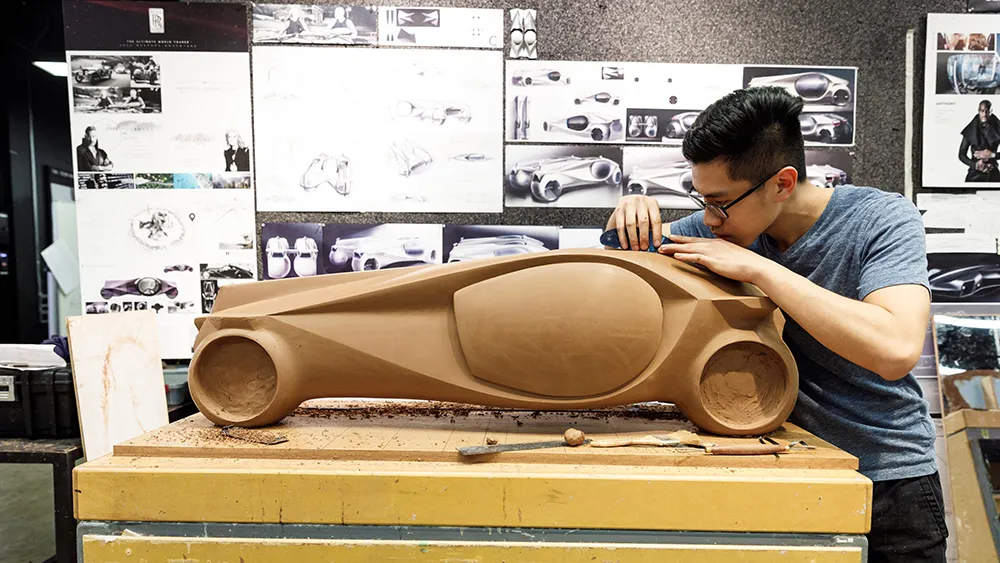
- Clay Modelers and Digital Sculptors for concept development
- Color and Trim Designers focusing on material selection and finishes
Manufacturing and Production Roles:
- Manufacturing Process Engineers optimizing production efficiency
- Quality Assurance Engineers ensuring compliance with safety and performance standards
- Production Supervisors managing assembly line operations
- Industrial Engineers specializing in workflow optimization
- Robotics and Automation Specialists implementing advanced manufacturing technologies
Engineering Specializations:
- Battery Systems Engineers (particularly crucial for EV manufacturers)
- Powertrain Engineers for both traditional and electric propulsion systems
- Safety and Crash Test Engineers
- Thermal Management Specialists
- Vehicle Dynamics Engineers
Essential Qualifications and Skills for Sponsored Positions
To qualify for automotive design and manufacturing jobs with visa sponsorship, international candidates must demonstrate specific educational credentials, technical competencies, and professional experience that justify the employer’s investment in immigration support.
Educational requirements typically include a bachelor’s degree in mechanical engineering, automotive engineering, industrial design, manufacturing engineering, or related technical disciplines. Advanced positions often prefer master’s degrees or specialized certifications in areas such as electric vehicle technology, advanced materials, or automotive software systems.
Technical proficiency expectations vary by role but commonly include mastery of industry-standard software platforms. Design professionals should demonstrate expertise in CATIA, SolidWorks, Autodesk Alias, or Siemens NX. Manufacturing specialists need familiarity with SAP, Lean Manufacturing principles, Six Sigma methodologies, and statistical process control tools. Engineering roles often require proficiency in MATLAB, ANSYS, or specialized simulation software relevant to their discipline.
Professional experience weighing heavily in sponsorship decisions includes documented achievements in previous automotive roles, portfolio work demonstrating design innovation or manufacturing improvements, published research or patents in relevant fields, and proven ability to work in multicultural team environments. International candidates with experience at recognized global automotive companies often receive prioritized consideration due to established quality standards and proven adaptability.
The Application and Hiring Process
Securing an automotive position with visa sponsorship requires strategic approach and thorough preparation. The typical timeline from initial application to work authorization spans 6-12 months, though expedited processing may be available for critical roles.
The process generally begins with online applications through company career portals, where candidates should explicitly indicate their need for visa sponsorship to avoid misunderstandings later in the process. Many automotive companies use applicant tracking systems that filter candidates based on specific keywords, so resumes should incorporate relevant technical terms, software proficiencies, and industry-specific accomplishments.
Initial screening typically involves phone or video interviews assessing technical knowledge, communication skills, and cultural fit. International candidates should prepare to discuss their willingness to relocate, family situation if applicable, and timeline flexibility. Technical assessments may follow, including design challenges, engineering problem-solving exercises, or manufacturing case studies depending on the specific role.
On-site interviews or comprehensive virtual interview panels represent the final evaluation stage, where candidates meet multiple team members, present portfolio work or technical projects, and discuss compensation expectations including relocation needs. Successful candidates receive conditional offer letters outlining salary, benefits, and visa sponsorship commitments, followed by formal immigration petition filing once background checks and credential verification complete.
Navigating Immigration Requirements and Documentation
Understanding immigration requirements helps international candidates prepare necessary documentation and set realistic expectations for the authorization timeline. The H-1B visa, most common for automotive professionals, requires employers to demonstrate that the position qualifies as a specialty occupation requiring theoretical and practical application of specialized knowledge.
Required Documentation Typically Includes:
- Valid passport with at least 18 months remaining validity
- Educational credentials with certified English translations if applicable
- Academic transcripts and degree certificates
- Detailed curriculum vitae highlighting relevant experience
- Professional references from previous employers
- Portfolio documentation for design positions
- Publications, patents, or awards demonstrating professional distinction
- Credential evaluation report from approved agencies confirming US degree equivalency
Candidates should also prepare for potential interviews at US embassies or consulates in their home countries as part of visa processing. These interviews assess the legitimacy of the employment offer and the candidate’s qualifications, so thorough preparation including reviewing position details and company information proves essential.
Living and Working in Major Automotive Hubs
The United States offers diverse geographic locations for automotive careers, each with distinct advantages regarding cost of living, quality of life, and industry concentration. Understanding these regional differences helps international professionals make informed decisions about relocation preferences.
Primary Automotive Employment Centers:
| Location | Average Cost of Living | Major Employers | Climate | Housing Costs |
|---|---|---|---|---|
| Detroit Metro, Michigan | Moderate | GM, Ford, Stellantis | Four seasons | $1,200-$2,000/month |
| Silicon Valley, California | Very High | Tesla, Lucid, Apple | Mediterranean | $3,000-$5,000/month |
| Austin, Texas | Moderate-High | Tesla, various suppliers | Hot summers | $1,800-$3,200/month |
| Greenville, South Carolina | Low-Moderate | BMW, Michelin | Mild | $1,000-$1,800/month |
| Nashville, Tennessee | Moderate | Nissan, GM | Mild | $1,400-$2,400/month |
Detroit and surrounding Michigan communities remain the traditional heart of American automotive manufacturing, offering the highest concentration of industry jobs, established international communities, and moderate living costs. The region’s infrastructure specifically supports automotive professionals with numerous industry networking events, specialized educational programs, and comprehensive supplier ecosystems.
California’s innovation corridor, particularly the San Francisco Bay Area and Southern California, has emerged as the electric vehicle epicenter with companies like Tesla, Lucid Motors, and numerous startups. While living costs substantially exceed national averages, the concentration of cutting-edge technology, venture capital funding, and interdisciplinary collaboration attracts professionals seeking involvement in industry transformation.
Southern states including Texas, Tennessee, and South Carolina have experienced rapid automotive industry growth due to favorable business climates, modern manufacturing facilities, and competitive living costs. These regions offer international professionals excellent quality of life with lower housing expenses, no state income tax in some cases, and growing multicultural communities.
Tax Considerations and Financial Planning
International automotive professionals must understand US tax obligations to maximize their substantial compensation packages. The United States employs a progressive federal income tax system with rates ranging from 10% to 37% depending on income level, with most automotive professionals earning $115,000 falling into the 24% marginal tax bracket for single filers.
State income taxes vary significantly by location, ranging from 0% in states like Texas, Tennessee, and Florida to over 13% in California. This geographic tax variation can represent differences of $10,000-$15,000 annually for professionals earning six-figure salaries, making location selection a crucial financial consideration.
International professionals on work visas typically receive the same tax treatment as US citizens for income earned while residing in the United States, though specific deductions and credits may vary. Many countries maintain tax treaties with the United States that prevent double taxation on the same income, though sponsored employees should consult international tax specialists to understand their specific obligations both in the US and their home countries.
Financial planning for visa-sponsored automotive professionals should include establishing US credit history immediately upon arrival, as this affects housing rentals, vehicle purchases, and future loan applications. Many automotive employers assist with this process through partnerships with financial institutions familiar with international employee needs.
Career Advancement and Long-Term Immigration Options
Visa sponsorship for automotive jobs frequently represents the beginning of long-term immigration pathways rather than temporary arrangements. Many professionals who initially enter on H-1B visas transition to permanent residency (green cards) sponsored by their employers, offering greater stability and expanded career flexibility.
The employment-based green card process typically follows several categories, with most automotive professionals qualifying for EB-2 (advanced degree professionals) or EB-3 (skilled workers) classifications. Employers may initiate this process after 1-2 years of successful employment, though timeline variations depend on the candidate’s country of origin due to annual visa quotas.
Career progression for international automotive professionals often accelerates due to the specialized skills that justified initial sponsorship. Many sponsored employees advance to senior technical positions, management roles, or specialized consulting functions within 3-5 years. The automotive industry particularly values professionals who combine technical expertise with cross-cultural communication abilities, as global supply chains and international collaborations continue expanding.
Professional development opportunities abound in the US automotive sector, including employer-sponsored advanced degrees, specialized certifications through organizations like SAE International, and leadership development programs designed to prepare technical professionals for management responsibilities. These investments in professional growth often accompany discussions about permanent immigration sponsorship, as companies seek to retain valuable international talent long-term.
Preparing Your Application: Maximizing Success
International candidates can significantly improve their chances of securing automotive positions with visa sponsorship through strategic preparation and presentation. Your resume should follow American formatting conventions while highlighting international experience as an asset rather than a complication.
Quantify achievements wherever possible, using specific metrics such as cost savings generated through process improvements, percentage reductions in manufacturing defects, or timeline accelerations in product development cycles. American employers particularly value data-driven accomplishments that demonstrate clear return on investment.
Your cover letter should directly address visa sponsorship needs while emphasizing the unique value you bring that justifies the employer’s investment. Highlight any experience with American automotive standards, familiarity with US market preferences, or previous collaboration with American companies or educational institutions.
Portfolio development proves critical for design positions, with successful candidates presenting work that demonstrates both technical proficiency and understanding of American aesthetic preferences and regulatory requirements. Manufacturing and engineering candidates should prepare detailed case studies showcasing problem-solving methodologies, technical innovation, and measurable business impact.
Networking within automotive industry circles, even before relocation, substantially improves application success rates. LinkedIn connections with recruiters at target companies, participation in virtual automotive industry conferences, and engagement with professional organizations like SAE International create visibility and demonstrate genuine industry commitment beyond mere job seeking.
Conclusion: Your Path to American Automotive Success
The United States automotive industry presents extraordinary opportunities for international design and manufacturing professionals willing to pursue visa sponsorship pathways. With competitive salaries averaging $115,000, comprehensive relocation support, and clear paths to permanent immigration status, the American automotive sector offers not just employment but genuine career transformation and financial security.
The current industry landscape, particularly the rapid evolution toward electric vehicles and sustainable manufacturing, creates unprecedented demand for diverse global talent. Companies recognize that innovation requires international perspectives, making this an optimal time for qualified professionals worldwide to pursue American automotive careers.
Success requires strategic preparation, patience with immigration timelines, and realistic understanding of relocation challenges. However, the financial rewards, professional development opportunities, and potential for long-term immigration make these challenges worthwhile investments in your career future. The automotive professionals who secure visa sponsorship today position themselves at the forefront of industry transformation, with compensation packages and career trajectories that can dramatically improve their family’s economic circumstances for generations.
For international automotive professionals with relevant education, meaningful experience, and genuine passion for vehicle design and manufacturing, American opportunities with visa sponsorship represent life-changing possibilities that combine professional fulfillment with exceptional financial rewards. The pathway requires dedication and careful navigation, but the destination offers everything ambitious automotive professionals seek: challenging work, fair compensation, immigration stability, and the satisfaction of contributing to the vehicles that will define transportation’s future.