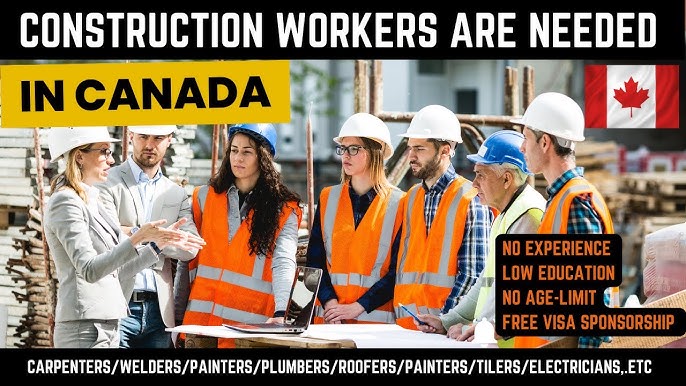
Canada Construction Jobs for Foreign Workers – Apply for Visa Sponsorship & Relocation Support
Canada’s construction industry is experiencing unprecedented growth, creating thousands of opportunities for skilled foreign workers seeking visa sponsorship and comprehensive relocation support. With a chronic labor shortage affecting the sector, Canadian employers are actively recruiting international talent and offering attractive compensation packages, including health insurance, housing assistance, and pathway to permanent residency.
Why Canada’s Construction Sector Needs Foreign Workers
The construction industry in Canada faces a significant skilled labor gap, with industry reports projecting a shortage of over 80,000 workers by 2030. This deficit spans across multiple trades including carpentry, electrical work, plumbing, welding, and heavy equipment operation. The aging workforce combined with ambitious infrastructure projects has created an unprecedented demand for qualified international workers.
Major urban centers like Toronto, Vancouver, Calgary, and Montreal are leading the charge in recruiting foreign construction workers. These cities offer competitive wages often exceeding $25-45 per hour depending on specialization and experience. Additionally, workers gain access to Canada’s renowned healthcare system, comprehensive workplace insurance, and various financial benefits that make relocation financially viable.
Understanding Visa Sponsorship for Construction Workers
Visa sponsorship is the cornerstone of working legally in Canada as a foreign construction worker. Canadian employers who cannot fill positions locally can sponsor qualified international candidates through various immigration pathways. The most common route is the Temporary Foreign Worker Program (TFWP), which allows employers to hire foreign nationals when Canadian citizens or permanent residents are unavailable.
To qualify for visa sponsorship, foreign workers typically need to demonstrate relevant work experience, possess recognized certifications, and sometimes provide proof of language proficiency in English or French. Employers must first obtain a Labour Market Impact Assessment (LMIA), which confirms that hiring a foreign worker will not negatively impact the Canadian labor market. This process, while rigorous, demonstrates the employer’s commitment to supporting your immigration journey.
Working with an experienced immigration lawyer can significantly streamline your application process. Immigration lawyers specialize in navigating Canada’s complex immigration system, ensuring all documentation is properly prepared and deadlines are met. Their expertise can be particularly valuable if your case involves complications or if you’re applying for permanent residency through programs like the Provincial Nominee Program (PNP) or Express Entry.
Top Construction Jobs Offering Visa Sponsorship
General Laborers and Construction Workers
Entry-level positions in construction are among the most accessible for foreign workers. These roles typically require minimal specialized training but demand physical stamina and willingness to learn. Wages range from $18-25 per hour, with opportunities for overtime pay. Many employers provide on-the-job training and safety certification courses.
Skilled Tradespeople
Electricians, plumbers, HVAC technicians, and carpenters are in exceptionally high demand. These positions command premium wages between $30-50 per hour and often include comprehensive benefits packages. Workers with Red Seal certification or equivalent international credentials have the strongest prospects. Employers in this category frequently offer relocation allowances covering moving expenses, temporary accommodation, and even assistance with vehicle financing if your credit score meets Canadian lending standards.
Heavy Equipment Operators
Operating excavators, bulldozers, cranes, and other heavy machinery is a lucrative specialization. Certified operators earn $35-55 per hour and enjoy strong job security due to the specialized nature of their skills. Many positions include paid training for Canadian-specific equipment and safety protocols. Employers often provide comprehensive insurance coverage including liability insurance and equipment insurance.
Construction Project Managers and Supervisors
Experienced professionals with leadership abilities can secure supervisory roles overseeing construction projects. These positions offer salaries ranging from $65,000 to $120,000 annually, along with performance bonuses. Responsibilities include managing teams, ensuring safety compliance, and coordinating with clients. Many employers sponsor foreign managers who bring valuable international experience and fresh perspectives to Canadian construction practices.
Comprehensive Relocation Support: What to Expect
Leading Canadian construction companies understand that successful international recruitment requires robust relocation support. Top-tier employers provide assistance packages that may include:
Initial Settlement Support: Many companies arrange temporary housing for the first 30-90 days, giving workers time to find permanent accommodation. Some employers partner with relocation specialists who assist with apartment hunting, understanding rental agreements, and navigating local neighborhoods.
Financial Transition Assistance: Recognizing that international workers face unique financial challenges, progressive employers offer sign-on bonuses ranging from $2,000-10,000. This capital helps cover initial expenses like security deposits, furniture, work clothing, and transportation. Some companies provide interest-free loans or advances to workers establishing their credit history in Canada, as building a strong credit score is essential for future financial opportunities like mortgages or car loans.
Insurance Coverage: Comprehensive health insurance typically begins immediately or within the first month of employment. This coverage extends beyond basic provincial healthcare to include dental, vision, prescription medications, and mental health services. Additionally, employers provide workplace safety insurance, life insurance, and disability insurance, ensuring workers and their families are protected against unforeseen circumstances.
Immigration and Legal Support: Premier employers cover the costs of work permit applications, LMIA processing fees, and may even subsidize immigration lawyer consultations. This support demonstrates the employer’s long-term investment in their international workforce and significantly reduces the financial burden of immigration.
Navigating the Application Process
Successfully securing a construction job in Canada with visa sponsorship requires strategic preparation. Begin by researching employers known for hiring international workers. Large construction firms, government contractors, and companies working on major infrastructure projects are most likely to offer sponsorship.
Create a Canadian-style resume emphasizing relevant experience, certifications, and skills. Canadian employers value clear, concise resumes that highlight accomplishments using quantifiable metrics. If your credentials were obtained outside Canada, research equivalency assessments to demonstrate how your qualifications align with Canadian standards.
Leverage job boards like Job Bank Canada, Indeed Canada, and specialized construction recruitment platforms. Many provinces operate immigration programs specifically targeting construction workers, such as Ontario’s Construction Worker Pilot or Saskatchewan’s construction-focused streams. Consulting an immigration lawyer early in the process can help identify the most suitable pathway for your circumstances and potentially accelerate your application.
Prepare for remote video interviews by familiarizing yourself with Canadian workplace culture and safety regulations. Employers assess not only technical skills but also communication abilities, safety consciousness, and cultural fit. Demonstrating knowledge of Canadian construction standards and genuine enthusiasm for contributing to Canada’s growth can distinguish your application.
Financial Planning for Your Canadian Journey
Relocating to Canada requires substantial financial planning. Beyond your employer’s support package, budget for initial expenses like clothing suitable for Canadian weather, communication devices, and personal necessities. Opening a Canadian bank account quickly is essential for receiving wages and beginning to establish your credit history.
Understanding credit scores in Canada is crucial for long-term financial success. Canadian credit scores range from 300 to 900, with scores above 650 considered good. Building credit history enables access to credit cards, vehicle financing, and eventually mortgages. Begin by applying for a secured credit card, ensuring all bills are paid on time, and maintaining low credit utilization ratios.
Consider consulting financial advisors specializing in newcomer services. These professionals help navigate Canada’s taxation system, understand retirement savings programs like RRSPs (Registered Retirement Savings Plans), and develop strategies for sending money to family abroad cost-effectively. Many banks offer newcomer packages with reduced fees and specialized services for international workers.
Insurance needs extend beyond employer-provided coverage. Renter’s insurance protects your belongings in case of theft or damage, typically costing only $15-30 monthly. If you purchase a vehicle, auto insurance is mandatory and varies significantly by province. Shopping around and maintaining a clean driving record helps secure competitive rates.
Pathway to Permanent Residency
One of the most attractive aspects of construction work in Canada is the potential pathway to permanent residency. Many foreign workers arrive on temporary work permits but transition to permanent status through programs like:
Provincial Nominee Programs (PNPs): Most provinces operate streams specifically for skilled workers in in-demand occupations. Construction workers with qualifying work experience in Canada can receive provincial nominations, dramatically increasing their chances of obtaining permanent residency.
Canadian Experience Class: Foreign workers who gain at least one year of skilled work experience in Canada may qualify for permanent residency through Express Entry. This pathway values Canadian work experience highly and processes applications relatively quickly.
Atlantic Immigration Program: Provinces in Atlantic Canada offer expedited pathways for foreign workers, including those in construction. These programs often have lower requirements and faster processing times.
Working with an immigration lawyer becomes particularly valuable when pursuing permanent residency. Lawyers ensure applications meet all requirements, help gather supporting documentation, and can represent you in communications with Immigration, Refugees and Citizenship Canada (IRCC). Their expertise often makes the difference between successful applications and costly delays or rejections.
Provincial Opportunities and Regional Variations
Construction opportunities vary significantly across Canadian provinces, each offering unique advantages:
Ontario: Home to Canada’s largest construction market, particularly around Toronto and Ottawa. Wages are competitive, but the cost of living is higher. The province actively recruits foreign construction workers through various immigration streams.
Alberta: Oil and gas-related construction projects drive demand, especially in Calgary and Edmonton. While the market can be cyclical, skilled workers enjoy some of Canada’s highest wages and lowest provincial taxes.
British Columbia: Vancouver and surrounding areas offer steady construction work with wages reflecting the high cost of living. The province’s natural beauty and mild climate attract many international workers despite premium housing costs.
Quebec: Montreal’s construction sector requires French language proficiency for most positions but offers excellent opportunities for bilingual workers. The province operates its own immigration system with construction-specific programs.
Atlantic Provinces: New Brunswick, Nova Scotia, Prince Edward Island, and Newfoundland offer lower costs of living and expedited immigration pathways. While wages may be slightly lower than major cities, the work-life balance and community atmosphere appeal to many families.
Essential Certifications and Training
Maximizing your employability requires understanding Canadian construction certifications. The Red Seal Program is Canada’s national standard for skilled trades, recognized across all provinces. Obtaining Red Seal certification significantly enhances your career prospects and earning potential.
Province-specific certifications may also be required. Research the licensing requirements for your trade in your target province. Some jurisdictions recognize international credentials through equivalency assessments, while others require additional training or examinations. Investing in these certifications before applying for jobs can strengthen your candidacy considerably.
Safety certifications are non-negotiable in Canadian construction. Most employers require or provide training in:
- WHMIS (Workplace Hazardous Materials Information System)
- Fall Protection
- First Aid and CPR
- Confined Space Entry
- Lift Truck Operation
These courses are typically provided by employers but having prior certification demonstrates professionalism and commitment to workplace safety.
Understanding Canadian Workplace Culture
Adapting to Canadian workplace culture enhances your success and job satisfaction. Canadian construction sites prioritize safety above all else, with strict protocols and zero tolerance for violations. Punctuality is highly valued, and workers are expected to arrive ready to work at the designated start time.
Communication tends to be direct but polite. Canadian workers appreciate team members who ask questions, seek clarification, and contribute ideas for improvement. Diversity is celebrated, and discrimination based on nationality, race, religion, or other protected characteristics is illegal and taken seriously.
Work-life balance is important in Canadian culture. While overtime is common in construction, employers must compensate appropriately and respect workers’ rights to reasonable hours and breaks. Understanding your rights under provincial employment standards legislation protects you from exploitation and ensures fair treatment.
Common Challenges and Solutions
International construction workers may encounter several challenges when relocating to Canada:
Weather Adjustment: Canadian winters are harsh, particularly in prairie provinces and northern regions. Investing in quality winter clothing and understanding cold weather work protocols is essential. Many construction projects continue year-round with appropriate safety measures.
Credential Recognition: Navigating the process of having foreign credentials assessed and recognized can be frustrating. Start this process early and work with designated organizations in your target province. Immigration lawyers can also provide guidance on credential recognition pathways.
Financial Stress: Initial relocation costs can strain budgets despite employer support. Creating a detailed financial plan, minimizing unnecessary expenses initially, and taking advantage of newcomer banking services helps manage this transition period.
Homesickness and Cultural Adjustment: Being far from family and familiar cultural contexts is challenging. Connecting with cultural community organizations, maintaining regular contact with family through digital platforms, and building workplace friendships eases this transition.
Language Barriers: Even for English or French speakers, regional accents and construction-specific terminology can be challenging. Many communities offer free language classes for newcomers, and colleagues are typically patient and helpful with language learning.
The Role of Recruitment Agencies
Specialized recruitment agencies serve as valuable intermediaries between foreign workers and Canadian employers. Reputable agencies have established relationships with construction companies actively seeking international talent and understand the visa sponsorship process thoroughly.
Quality agencies provide services including resume optimization, interview preparation, and guidance through the immigration process. Some agencies even partner with immigration lawyers to offer comprehensive support. However, exercise caution and verify an agency’s credentials before paying any fees. Legitimate agencies are typically paid by employers, not workers.
Research agencies’ reputations through online reviews, Better Business Bureau ratings, and community forums. Agencies registered with provincial regulatory bodies demonstrate legitimacy and accountability. Avoid agencies requesting large upfront payments or making unrealistic promises about guaranteed employment or immigration success.
Maximizing Long-term Success in Canada
Building a successful career in Canada’s construction industry extends beyond securing initial employment. Commit to continuous skill development by pursuing additional certifications, learning new techniques, and staying current with industry innovations. Many employers support professional development through tuition reimbursement or paid training opportunities.
Network actively within the industry by attending trade events, joining professional associations, and maintaining positive relationships with colleagues and supervisors. A strong professional network opens doors to better opportunities and provides valuable industry insights.
Financial literacy is crucial for long-term prosperity. Beyond managing daily expenses, develop strategies for building wealth through registered savings programs, understanding Canadian tax advantages, and eventually exploring investment opportunities. Maintaining excellent credit scores enables access to competitive financing for major purchases and demonstrates financial responsibility.
Consider family integration if you plan to bring dependents to Canada. Research school systems, childcare options, and family-oriented community programs in your chosen location. Many provinces offer settlement services specifically designed to help newcomer families adapt successfully.
Conclusion: Your Canadian Construction Career Awaits
Canada’s construction industry presents extraordinary opportunities for skilled foreign workers seeking visa sponsorship, competitive compensation, and pathways to permanent residency. With comprehensive relocation support, strong labor protections, and access to world-class healthcare and insurance benefits, Canada offers an attractive destination for international construction professionals.
Success requires thorough research, strategic preparation, and potentially working with immigration lawyers and recruitment specialists who understand the complexities of international employment. By obtaining relevant certifications, demonstrating commitment to safety and quality workmanship, and preparing financially for the transition, foreign workers can build rewarding careers while enjoying Canada’s high quality of life.
The construction boom shows no signs of slowing, with infrastructure investments creating sustained demand for skilled labor. Whether you’re an experienced tradesperson or entry-level worker willing to learn, Canadian construction companies are actively seeking international talent. With proper planning, adequate insurance coverage, attention to building strong credit scores, and determination to succeed, your Canadian construction career can provide financial security, professional growth, and the opportunity to build a new life in one of the world’s most welcoming nations.
Start your journey today by researching employers, consulting with immigration professionals, and preparing your application materials. The foundation of your Canadian future is waiting to be built.